



What is a CRM in recruitment?

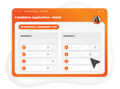
A Recruitment CRM, also known as Candidate Relationship Management, is a software system that helps recruiters maintain relationships with candidates throughout the entire hiring process. It enables recruitment teams to create Talent Pools and engage the candidates via automated email and SMS communications. 

What is the best recruitment CRM?

The best recruitment CRM is one that seamlessly integrates with your Applicant Tracking System. This way, you get to manage the whole recruitment process, as well as candidate engagement and talent pooling, in one unified system.

Eploy’s ATS comes with a built-in recruitment CRM, which enables recruiters to streamline and enhance every aspect of candidate management. It organises candidate information, tracks interactions, and automates key communications to nurture relationships efficiently. Using Eploy’s ATS and recruitment CRM, recruiters can maintain a dynamic talent pool, ensuring ready access to top candidates for future opportunities. Eploy optimises your recruitment workflows, improves the candidate experience, fosters better engagement and increases the chances of successful hires.

Eploy FAQs

Find answers to your CRM questions.
Yes, recruiters widely use Candidate Relationship Management (CRM) systems to improve their hiring efficiency and effectiveness. CRMs allow recruiters to manage and nurture relationships with both active and passive candidates, track communication, organise talent pools, and run engagement campaigns.

Using a CRM helps recruiters:

  • Build long-term talent pipelines for future roles.
  • Engage passive candidates who aren’t actively applying but may be a good fit for future roles.
  • Streamline communication through automated emails, SMS, and notifications.
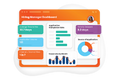
  • Make data-driven decisions with insights into candidate activity, engagement, and recruitment trends.

In short, a CRM complements an ATS by focusing on relationships and candidate engagement, rather than just tracking applications, helping recruiters attract, retain, and hire the best talent more efficiently.

Yes, a Recruitment CRM can significantly improve hiring by helping recruiters build stronger talent pipelines and engage candidates more effectively. Instead of only focusing on applicants for current vacancies, a CRM allows you to nurture relationships with passive candidates, run targeted engagement campaigns, and keep talent pools “warm” for future roles.

Yes,  Eploy’s Applicant Tracking System and Recruitment CRM are fully customisable to match the unique needs of your organisation. Unlike “one-size-fits-all” recruitment software, Eploy allows you to configure workflows, dashboards, forms, and reports so the system can fully adapt to your organisation’s needs.

Here are some of the key differences between an ATS and CRM:

Feature/Focus: Applicant Tracking System (ATS) Recruiting CRM (Candidate Relationship Management)
Primary Purpose Streamlines and automates the hiring process from job posting to candidate hire. Builds and nurtures long-term relationships with potential candidates before they apply.
Recruitment Stage Best for managing active applicants in live job requisitions. Best for engaging passive candidates and maintaining a talent pipeline.
Candidate Focus Tracks applicants who submit job applications. Engages prospects who may be interested in future opportunities.
Key Features Job posting, resume parsing, application tracking, interview scheduling, and compliance. Talent pooling, candidate engagement campaigns, email/SMS automation, and relationship tracking.
Main benefit Ensures efficient, compliant, and structured hiring. Helps reduce time-to-hire and cost-per-hire by building warm pipelines.

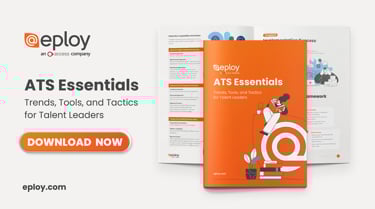
Download Free ATS Essentials Guide

Eploy’s ATS Essentials Guide shares insights into choosing the right system and why your ‘’adequate’’ recruitment system might be costing you the best candidates.

The guide also shares:

  • The biggest risk isn’t choosing the wrong system, it’s maintaining the status quo.
  • The strategic framework to get immediate C-suite approval for recruitment technology investment.
  • How leading organisations achieve 75% reductions in agency costs while improving candidate quality.